Young journalists often face contradictions when it comes to talking about social and political issues. Curricula emphasize phrases like objectivity and unbiased coverage, but where do you draw the line?
REVIEW: Three Gen Z Films that get it right—and wrong
Alice Shu, Newsroom By the Bay
A24 Films 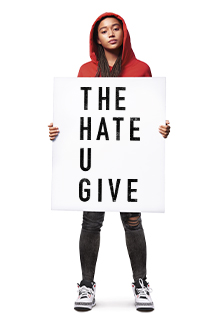
20th Century Studios 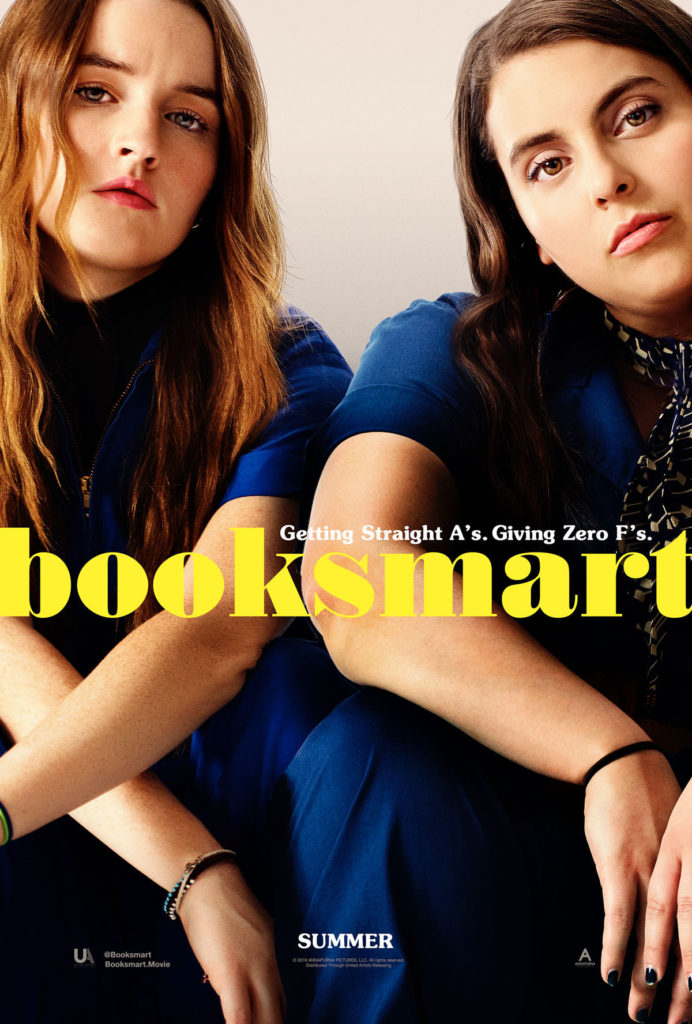
Annapurna Pictures
FREMONT, Calif. — Gen Z is no stranger to binge-watching its favorite films, and this summer may give us more time than ever to do that. But as we stare at our screens for hours on end, is the silver screen a faithful mirror that truly reflects who we are?
The American entertainment industry has created many coming-of-age stories, but given recent Gen Z led activism on issues such as LGBTQ rights and Black Lives Matter, studios must now face the challenge of connecting social movements to personal lives.
Here are three films that have gotten it right — and wrong –– when it comes to Gen Z.
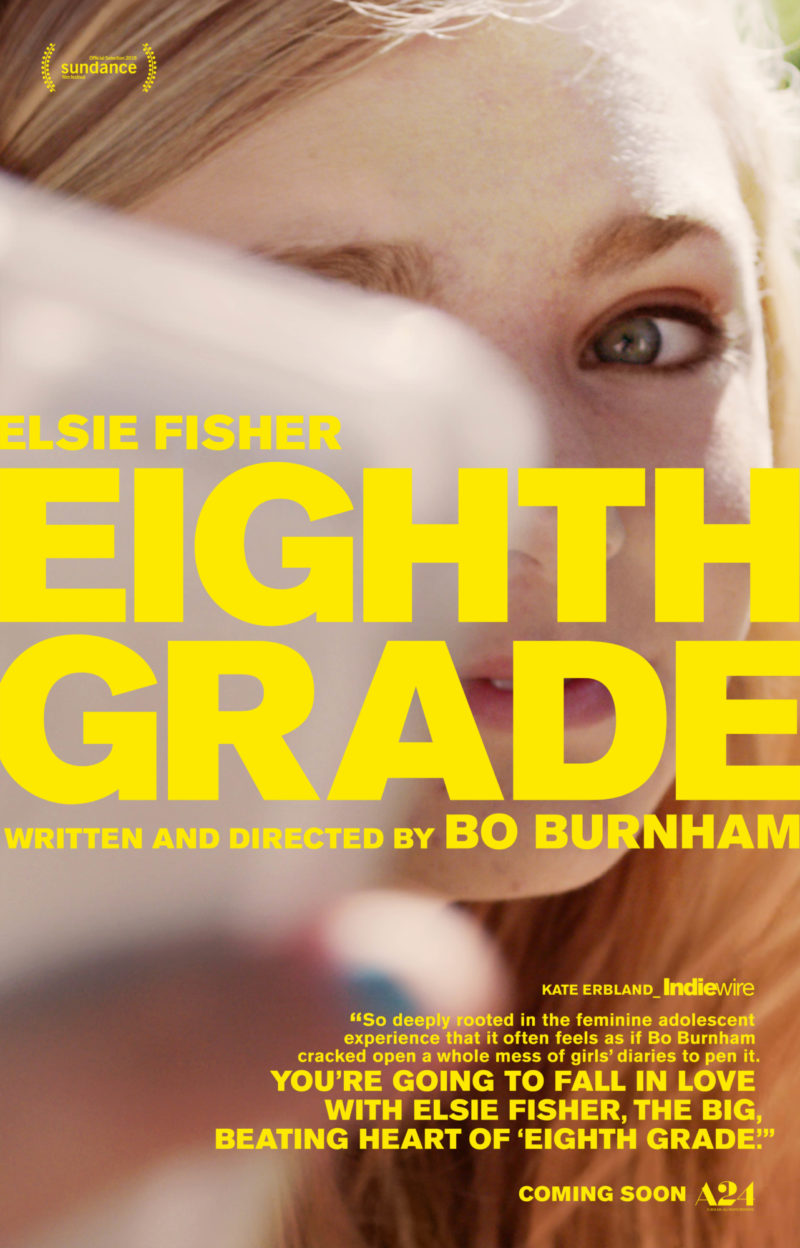
Eighth Grade (2018)
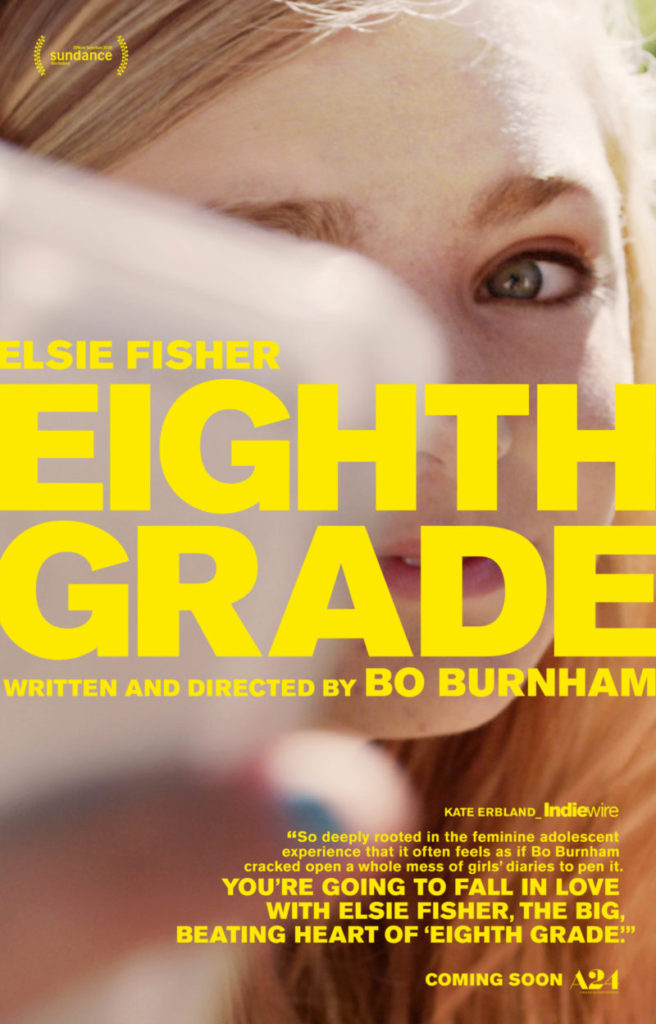
The growing presence of electronic devices and social media has allowed Gen Z to express itself to a larger audience. In the 2018 comedy-drama film “Eighth Grade,” Kayla Day, played by Elsie Fisher, is seeking popularity among her puberty-ridden and phone-addicted classmates. The film, directed by Bo Burnham, is a refreshing and poignant portrayal of Gen Z adolescence, especially in its discussion of social media and teen behavior.
Like many teens nowadays, Kayla is a YouTube regular, posting self-help videos to bolster her confidence. She feels compelled to conform to standards set by online influencers and to climb up the hierarchical ladder of middle school. By imitating the standoffish behavior –– that she acknowledges as rude –– of the cool kids, Kayla believes she can reach the level of stardom that society defines as success.
Henry Jenkins, a media studies professor at the University of Southern California, has written about the media’s impact on society through participatory culture and the web’s potential to host youth activism.
According to Jenkins, social media often leads Gen Z to be consumed by unfiltered personal comments that may alter its perception of itself, in a phenomenon that Jenkins calls a “social mirror.”
“Young people have never had the same level of access to their peers’ uncensored thoughts about them, as they can receive through social media,” Jenkins said in an interview. “As a result, social media becomes a site of bullying, as it becomes a site for social actualization.”
While “Eighth Grade” does a commendable job of portraying the ups and downs of social media and the internet, it lacks one recent and important aspect: The use of social media for activism. Those platforms have spearheaded, publicized and encouraged recent movements such as March for our Lives, climate strikes and BLM. Released in 2018, “Eighth Grade” portrays social media as a mostly self-centered toolkit, but it’s fair to say times have changed.
“Eighth Grade” offers an opportunity for Gen Z to evaluate the role social media plays in personal lives — including mental health — as well as how it can be used to spur change and action.
The Hate U Give (2018)
Film and television are no stranger to casting African Americans and depicting Black stories, especially with movies such as “Black Panther” ushering in a new era of diverse entertainment. Few Black movies, however, can depict police brutality and responses to it in a respectful and informative way.
Luckily, “The Hate U Give,” a 2018 film directed by George Tillman, Jr. (based on the 2017 novel of the same name by Angie Thomas) provides both white and Black perspectives on the BLM movement, which couldn’t be more relevant today as Americans question police authority and institutionalized racism.
The protagonist of the film, Starr Carter, lives in an African American neighborhood called Garden Heights. While her family is rooted deeply in the community, she is careful to silence “Garden Heights Starr” when she shows up for class at Williamson Prep, a mostly white and affluent school. After witnessing the murder of her best friend by a trigger-happy cop, Starr is reluctant to testify as a witness because she might be treated differently at Williamson and in her community.
The film illustrates police brutality from almost every possible perspective, whether it’s an All Lives Matter advocate, a Black child, or even a Black cop, providing a nuanced understanding of a very complex issue. These perspectives make the film especially worthwhile given today’s BLM protests and the All Cops are Bastards narrative of social media.
“It’s the idea that (adolescence) is often romanticized as a period of innocence before you face adult challenges,” Jenkins said. “That we’re seeing teenagers confront those adult challenges and speaking out about it — that seems really important.”
“The Hate U Give” serves more to inform instead of entertain. Its message is a hard but necessary one to swallow. If you have even a sliver of interest in the BLM movement, I highly recommend watching this movie or reading the novel to gain a more nuanced perspective on an important and relevant issue. I promise, it’s worth the investment of your time and effort.
Booksmart (2019)
“Booksmart” repackages the “good girl gone bad” trope for a Gen Z audience. In doing so, it helps to define both the model and the immoral tropes of our generation.
The 2019 comedy film’s protagonists — Molly and Amy, two high-achievers and Ivy college-bound teens — use the internet and social media to track parties that they hope can reverse their “good girl” image.
These two are part of a trend: More teens are pursuing a college education, compared with teens from previous generations. A 2018 Pew Research analysis found that 59% of Gen Z teens as of 2017 were enrolled in college, compared with the 53% of millennial teens in 2002.
This increase is attributed to more second-generation immigrants in the country, higher median household income for Gen Z teens and large increases in high school graduation rates, especially among Hispanic and Black youth.
What’s interesting about “Booksmart,” however, is its denial of the clique trope on which many teen comedies rely; for example, think “Mean Girls” and the Plastics. Instead of clique-exclusive attributes, the film acknowledges the possibility of an overlap where a hottie can be smart without being labelled a nerd, as in one character asserting that “I’m incredible at handjobs but I also got a 1560 on the SAT.”
Molly and Amy, then, like the rest of the world, come to realize that Gen Z is set on breaking expectations and smashing stereotypes.
How Gen Z will define itself
Generations differ in the ways they consume news, vote, interact and spend their money and time. Often, it’s difficult for teens to characterize or to conform themselves to the traits of their generation. But right now is a once-in-a-lifetime opportunity –– the crux of a pandemic and a renewed movement for civil rights.
Gen Z teens have, without a doubt, defined themselves as fighters. How will 2020 go down in history? How will the entertainment industry portray the intricacies of what Gen Z is experiencing? When we revisit these films, will we feel the same way?
While 2020 still has a long way to go, Jenkins believes that our increasingly frequent Netflix binges will open minds to new ideas and new questions.
“You never stop growing and never stop questioning — you’re a living human being — and films are such a beautiful way to do that because we can come back to the same film and have a very different response to it, years later,” Jenkins said.
“And if we’re growing, we’ll continue to change our minds,” he added. “We’ll see new things, and that’s not because we did it wrong or we made a mistake before — it’s because we’re continually learning as we work through films that speak things that are important to us.”

Related Posts