
They’ve gone dark: Afghans who helped the U.S. military, trained as American-style journalists and rode the wave of women heading to higher education are destroying the diplomas, transcripts and résumés that prove how they built civil society in the country that the U.S. has left behind.
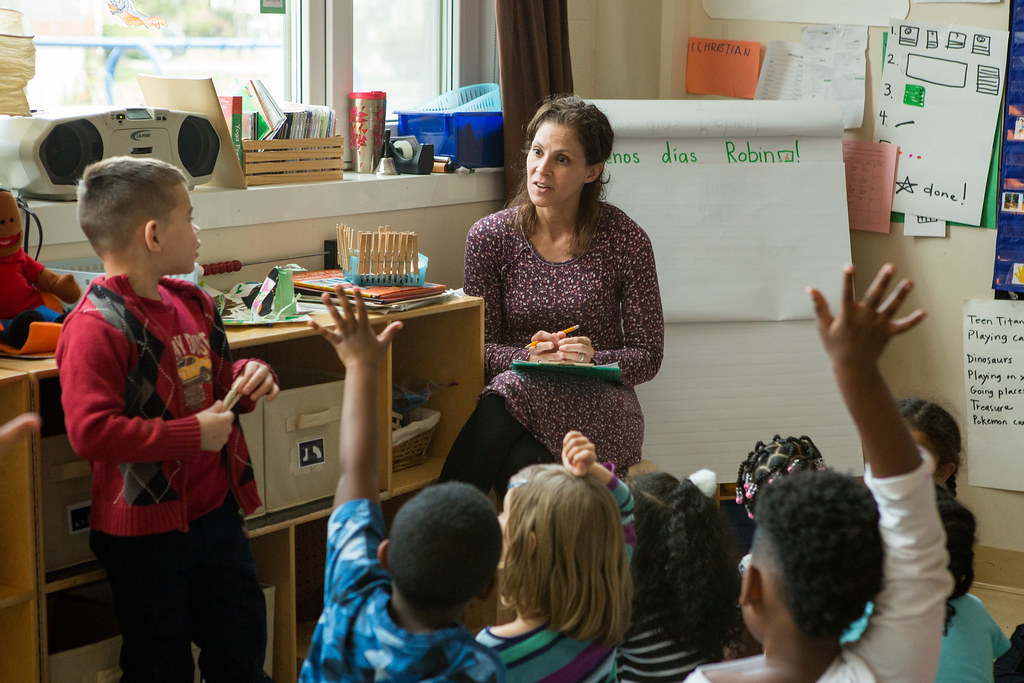
Five tips for teachers on stopping racial bias in the classroom this fall
By Sydney Lee, Newsroom by the Bay

ELMHURST, Illinois — It could have happened in any classroom. On Feb. 5, Dylan Muriano, an Asian American middle school student attending Walter Reed Middle School in North Hollywood, California, was taking a sip out of his water bottle when “it went down the wrong pipe,” causing him to cough.
According to a Fox News report, what happened next was the subject of a formal complaint by Muriano and his mother, Leyna Nguyen. Muriano, who later said he was not sick, alleged that his teacher forced him to go to the nurse’s office, where a nurse “found that he was fine and returned him to class.” Other students in the class who coughed but were not Asian American were not asked to leave, he said. Nguyen later posted on Facebook that other students in the class “joked that (Muriano) had Coronavirus.”
In a statement released by his attorney, Muriano said that “(t)his was the first time that I have ever felt that I was being treated differently for being Asian, and after it happened, I said to my mom—there are people who actually go through this every day and that’s horrible. It’s not right, and it shouldn’t be like that.”
As of March 6, ABC News reported that the Los Angeles Unified School District had no comment on the case.
The spread of COVID-19 over the past few months along with the killing of George Floyd on May 25 at the hands of a white police officer in Minneapolis have emphasized a weakness in the United States: Racism. And that has included cases of bias against Asian Americans as well as Blacks and other people of color.
Along with the impact of distance learning, going back to school this fall will be a different experience for both teachers and students. Actions or words that may have been seen as unharmful before might now be viewed as offensive.
Sandra Coyer, an English and journalism teacher at Puyallup High School in Washington, is already preparing to be open about racism and to emphasize it to her students.
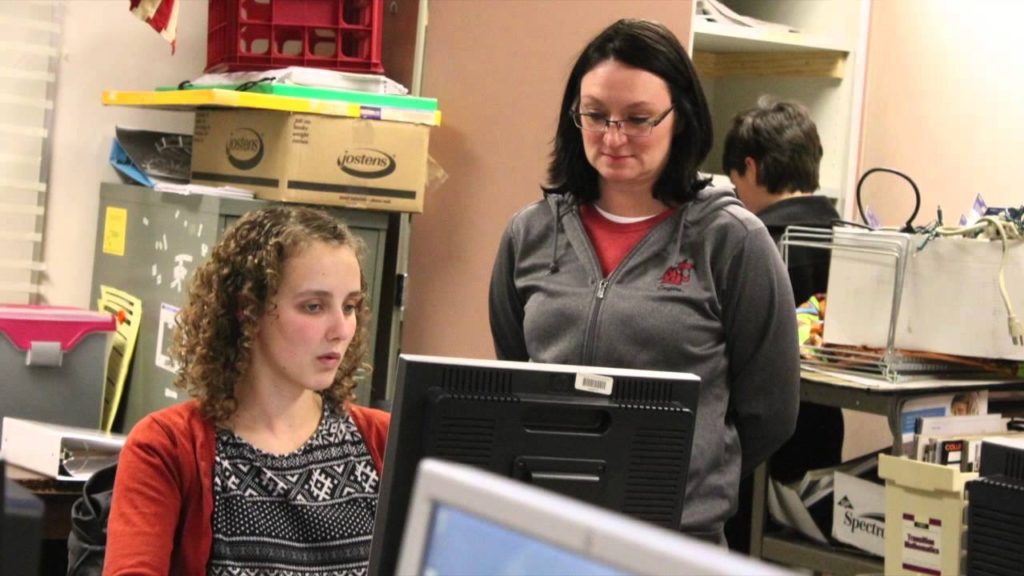
“I think as teachers and educators, we need to be prepared to have these difficult conversations and to be open to having them,” Coyer said. “I’m spending a lot of time this summer (preparing). I’ve got a huge stack of books that I want to read because I’m anticipating that conversation continuing. It’s all about being open and knowing how to facilitate difficult conversations.”
Coyer has helped the school board prepare programs regarding racial bias awareness. However, opening up the discussion on racial discrimination to students is, and will be, a difficult challenge. Here are five ways that teachers can recognize and prevent racial bias in schools.
1. Get trained
Teachers should attend frequent meetings with lessons on how to limit racism in classrooms and should be held accountable when they lack this knowledge.
As of early June, programs are being implemented to train educators on how to reduce bias in a learning environment. The California Department of Education organized a campaign to educate teachers on methods to put a stop to systemic racism in schools. The campaign, called California Implicit Bias Training Initiative, will include coaching programs and resources that educators will be trained to use to improve school settings. It is important to acknowledge the prejudices individuals hold ahead of time; this will be key before heading back to school.
2. Get to know your students as individuals first, and worry about grades and discipline second
Grades are an essential aspect of school. They’re not only a metric that measures someone’s progress but a factor that fuels competition. The effort put into assignments influences students’ grades, but teachers have the final say.
Most teachers have reinforced unconscious bias in different ways. Many go into grading assignments with an assumption about how a student may perform. In that situation, teachers jump to conclusions that may be inaccurate.
In a TED Talk titled “How racial bias works — and how to disrupt it,” Stanford University psychologist Jennifer L. Eberhardt talks about how teachers tend to enact harsher forms of punishment toward Black students compared with white students. Eberhardt found that teachers tend to view white students as individuals, but Black students as a whole group.
If teachers can cover their unintentional bias, they can get to know all students as individuals, leading to more equality in both grading and disciplinary measures.
3. Start emphasizing racial issues to students
Since there are health classes teaching students how to stay healthy, then why don’t we have classes about how to recognize and stop racial bias?
Offering classes that discuss racism would allow students to better understand ongoing conflicts of discrimination against people of color in the United States. With Asian American racism becoming prevalent amid COVID-19 and the Black Lives Matter movement highlighting anti-Black racism, sensitive issues have come to light. Numerous programs have been created, including “Say Their Names” by Chicago Public Schools and “Talking About Race” by the Smithsonian National Museum of African American History & Culture. The next step is to implement them in all schools, making such programs a universal norm nationwide.
Informing students can help them steer clear of racially motivated incidents at school. If a health class can prevent a large number of teenagers from smoking, then a racial bias awareness class has the potential to prevent racial friction among students.
4. Respond to racial bias – appropriately and quickly
Prior to distance learning, racial bias existed in schools. Teachers brushed off seemingly light jokes that they believed caused little harm. But now that discussions on race are even more prevalent, teachers must take initiative and stand up for what is right.
A teacher witnessing a racist incident is responsible for providing support for the victim and penalizing the perpetrator. In addition, they need to emphasize this heavy topic in class and turn situations gone awry into learning experiences. This way, everyone can take a stand against this while being on the right path to reducing racism in schools.
5. If we’re still learning online come fall, make sure online platforms and activities don’t reflect or encourage bias
Many districts are currently planning for safe ways to reopen school. However, it is not guaranteed that students would be allowed to go back, as COVID-19 cases are rising in the U.S. If still at home, students would engage in distance learning as they did last year.
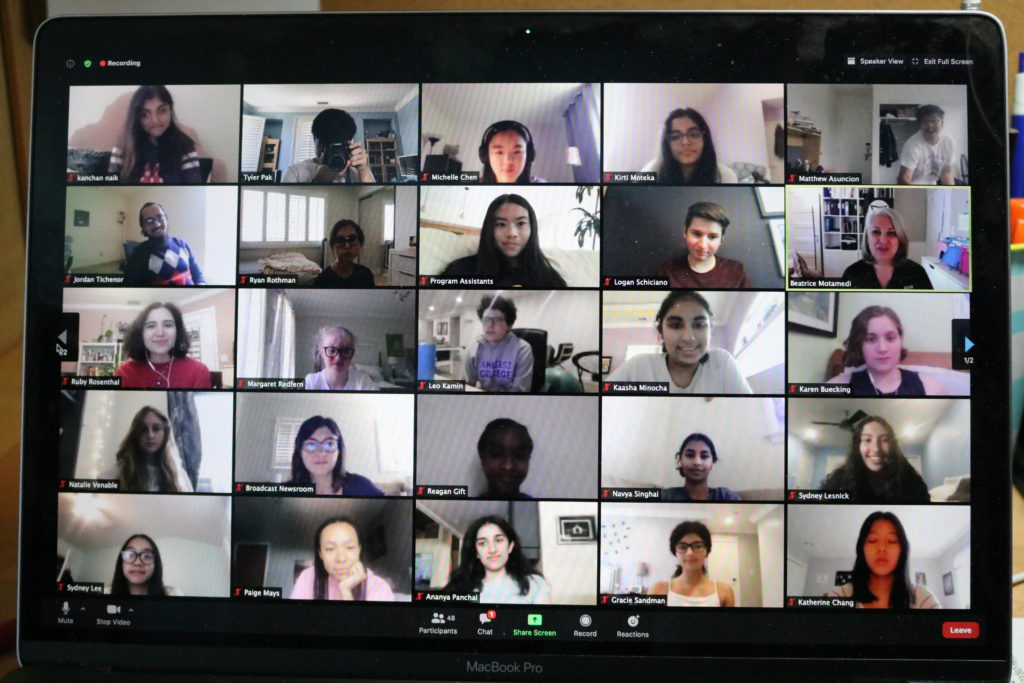
So, what does racial bias look like online? Since students are either working individually or on virtual calls, there isn’t much overt racism that could occur, but that does not mean the problem disappears. Social media can be a host to platforms that can be used to either spread racism or stop racism. With less authority over students while distance learning, teachers should still keep the topic relevant. They can spread awareness on their own platforms or plan activities related to the history and preventions of racial discrimination.
When students go back to school in the fall, it will be a new experience. New lessons will be taught and teachers will have to uphold new expectations regarding bias in the classroom.
“You have to be conscious of those microaggressions and those implicit biases that you have. My school district is pretty good about training us to be aware of those things,” Coyer said. “Some of the best moments in my classroom have been ones where you grasp on to these teachable moments where the conversation wasn’t the lesson that you planned for, but it was definitely the lesson that you needed.”

Related Posts
This Post Has One Comment
Comments are closed.
Wonderful work! I was reading it and BAM – the information about the TED talk was a great addition and these tips will greatly create a richer learning environment for everyone. Reading this was so smooth, like butter, and I love to see helpful information so classrooms across America and the world can become more united, strong, and loving.