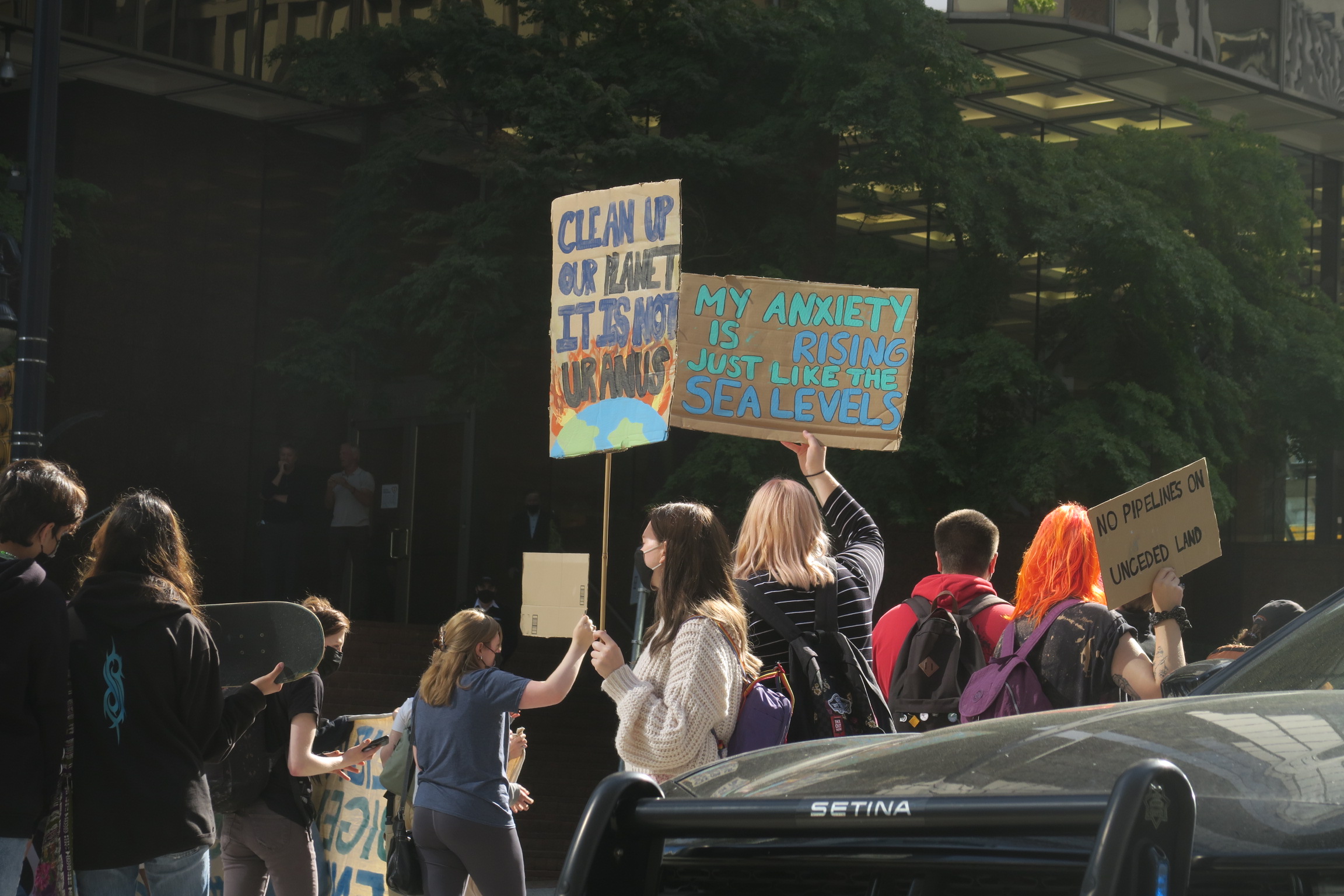
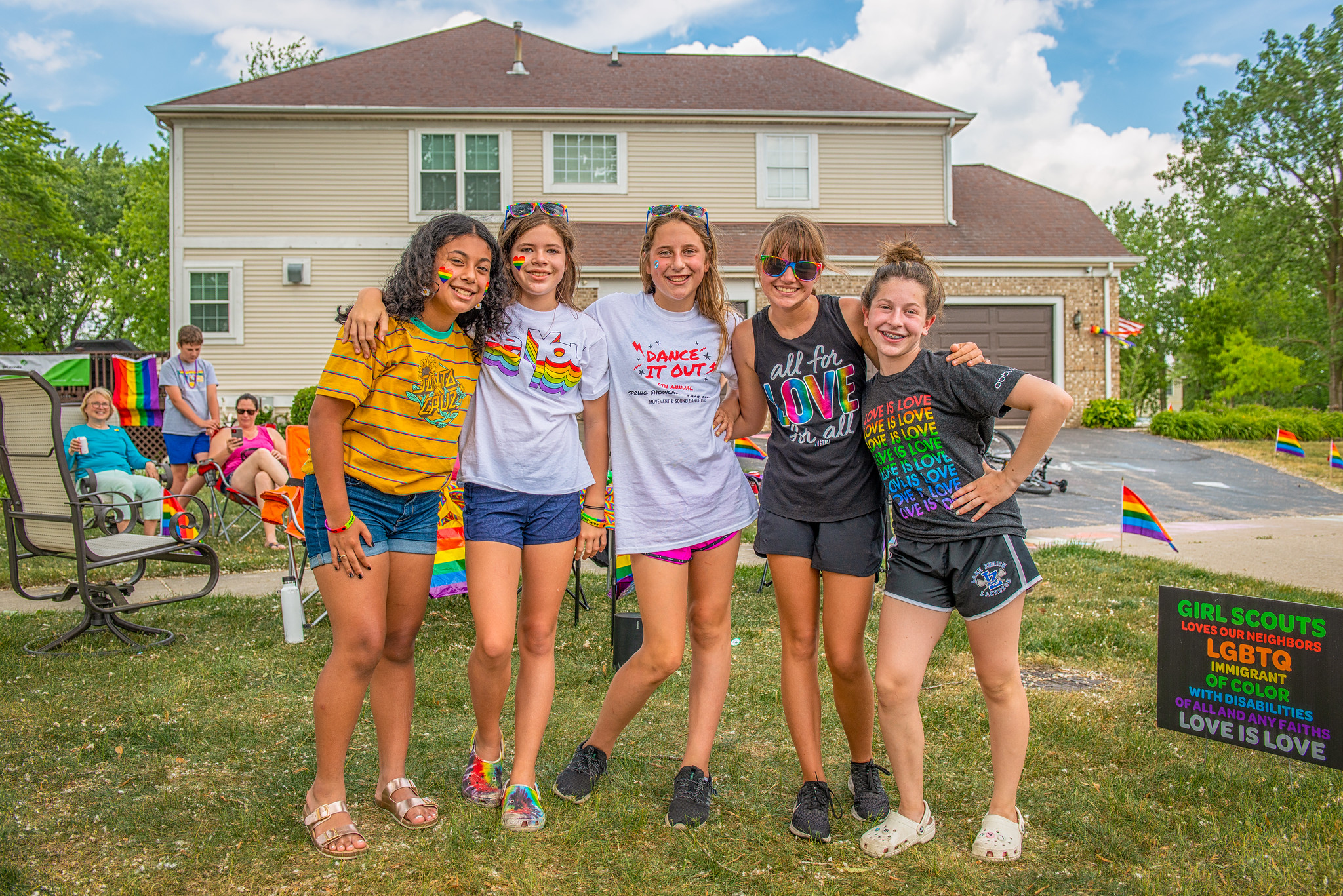
They’re back: Today’s Fridays for Future strike — the first in 18 months — will see youth activists taking to the streets again to push progress on solutions to climate change.
Here’s what you can do to raise awareness and seek solutions where you are.
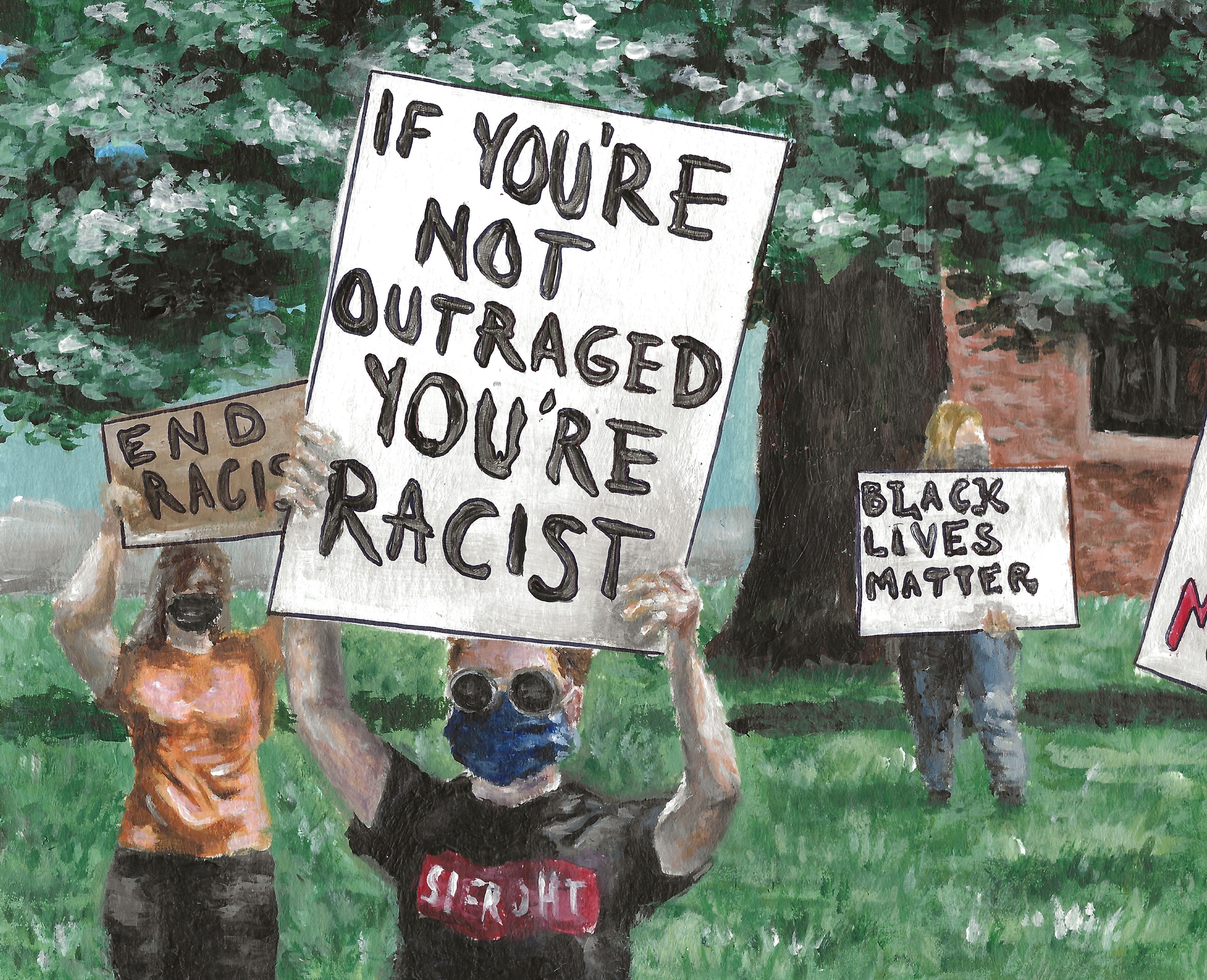
A small city sounds a big message on Black Lives Matter
By Margaret Redfern, Newsroom by the Bay

STEAMBOAT SPRINGS, Colorado — When she arrived at the Routt County Courthouse lawn at noon on June 1, Kendra Ruth thought she would be the only one there. She had sent out a Facebook message the night before calling on the community of rural Steamboat Springs, Colorado, to action.
After waiting with her handmade sign for a few minutes, people started to trickle in. They appeared out of alleyways, off the streets and from behind buildings to stand in solidarity against racial injustice with citizens across the nation.
On June 1, Ruth and 50 other residents of Steamboat Springs took to the streets to protest police brutality and systemic racism in the town whose population stands at 13,764, as estimated by the World Population Review based on 2018 census data. What started as a silent gathering among friends quickly turned into raised voices chanting the names of those killed by the police.
Steamboat Springs is a predominantly white city with a very small Black population; only 1.23% of its residents are Black. In 2016, 54.3% of Routt County voted for Hillary Clinton, representing a slender majority with progressive and liberal views in the area.
The Routt County Courthouse is 912 miles away from 38th Street and Chicago Avenue in Minneapolis, the place where George Floyd was killed. Yet despite its distance from that scene and its relative lack of racial diversity, it was one of hundreds of cities, big and small, that sprang into action in the wake of George Floyd’s death.
Even though Steamboat Springs was not the only small town to hold protests in America, it is difficult to understand why a place with such demographics would consider taking part in the movement. Ruth felt there was no other option than to stand up.
“You feel helpless and you’re looking around like, ‘What the hell can I do?’” Ruth said. “I don’t take lightly to any injustice in this world.”
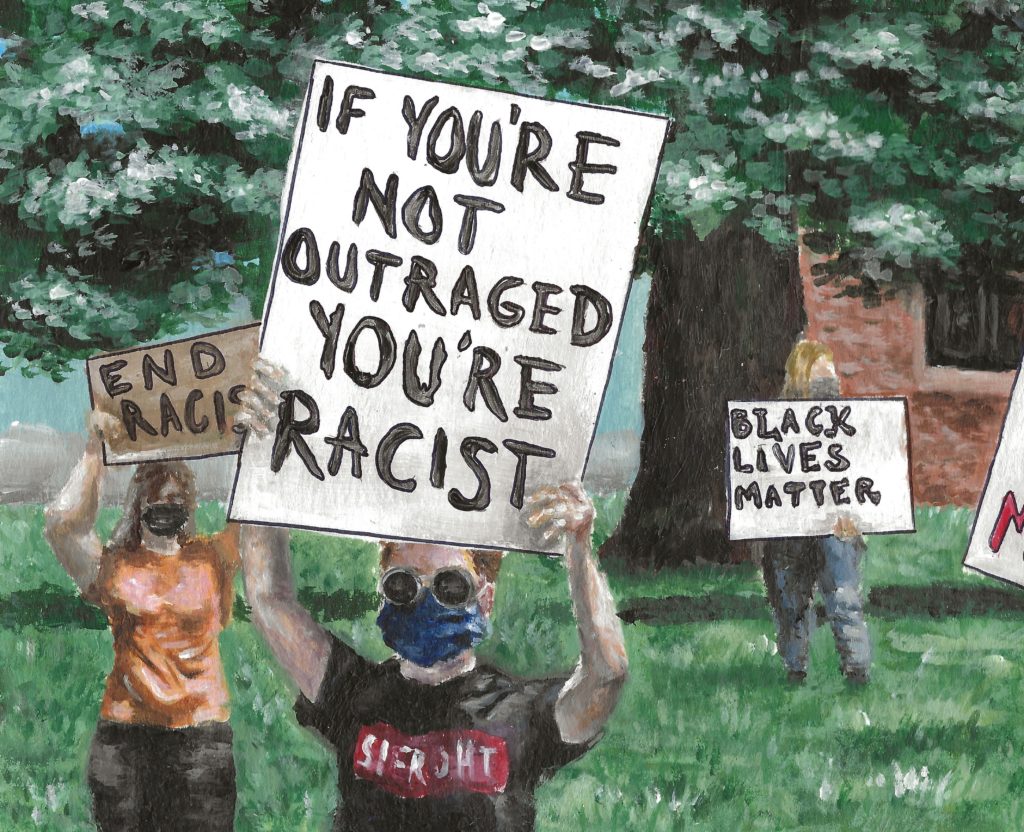
On May 31, while others were ending their day, she sent out a post calling for the citizens of Steamboat Springs to join her the next day at noon. Grace Zanni, a 16-year-old protest participant, said that she had seen it circulating on social media and decided to go.
“(After) the death of George Floyd, I realized that it was time to begin getting involved,” Zanni said. “It’s not just one moment … it’s a whole movement that has been going on for hundreds of years.”
Both Ruth and Zanni made it clear that it is necessary to use their voices, no matter the size of the Black community in Steamboat Springs or anywhere else.
“I think that it’s especially important in small communities like this that don’t have a very large Black population to say that we believe in (the BLM movement),” Zanni said.
One of Ruth’s goals for the protest was to show people that there are marginalized members of every community.
Systemic racism “is happening here in Steamboat, and we need to stand with our brothers and sisters here and everywhere,” Ruth said.
Though the Steamboat Springs protests were smaller-scale, Ruth believes that even one small-town protest can set an example for others.
“My real hope was to get other small towns like ours to realize that we have long been benefiting off of systemic racism whether we choose to see it or not,” Ruth said. “It’s time to stand up for members of our community because they deserve justice, too.”
—Listen to “Small Town, Big Message” at “Recording Race,” a new podcast created by Newsroom by the Bay’s Summer 2020 students under the guidance of team leader Maggie Galloway.

Related Posts